

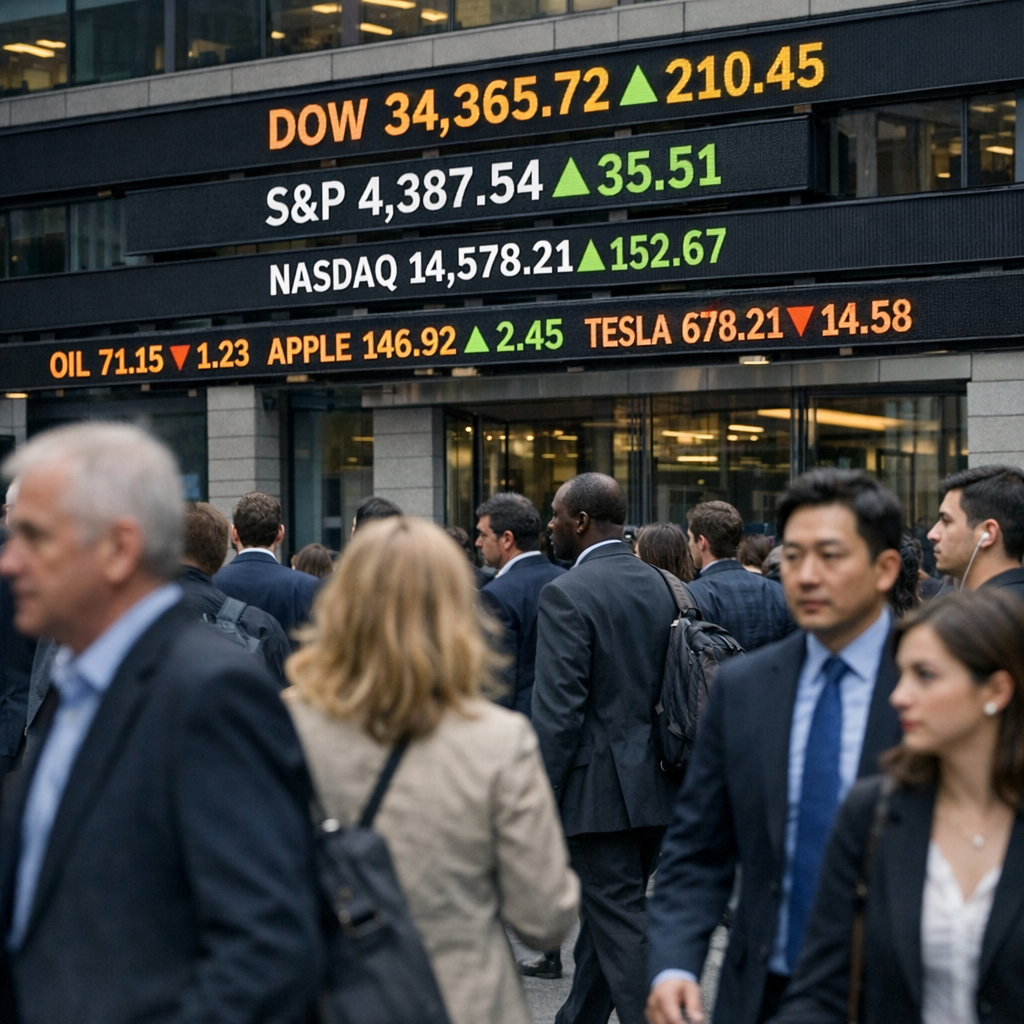
The U.S. economy is currently experiencing a period of steady growth, though certain challenges persist. Recent data indicates that while the economy is expanding, the pace has been slower than anticipated in recent quarters. The labor market continues to add jobs; however, long-term unemployment rates are on the rise, and inflation remains below its peak but is proving to be persistent.
Economic Growth and Employment
After a contraction in the first quarter of 2025, the economy has rebounded, albeit with growth rates that have not met expectations. The labor market shows resilience, with job creation ongoing. Nevertheless, there is a concerning uptick in long-term unemployment, suggesting that some workers are finding it challenging to re-enter the workforce.
Inflation and Federal Reserve Policies
Inflation rates have decreased from their previous highs but continue to be a focal point for policymakers. The Federal Reserve monitors various economic indicators, including inflation and employment data, to inform decisions on interest rates and other monetary policies.
Trade Policies and Market Reactions
Trade policies, particularly tariffs, have introduced uncertainties into the economic landscape. The administration’s proposed tariffs, set to take effect in July 2026, have raised concerns about potential impacts on various sectors. Financial markets have responded to these developments with caution, reflecting the broader apprehension about the future direction of trade relations.
Looking Ahead
As the economy navigates these complexities, it is crucial for policymakers, businesses, and consumers to stay informed and adaptable. Monitoring economic indicators and staying abreast of policy changes will be essential in making informed decisions in the coming months.