

Sacramento is taking significant steps toward environmental sustainability through its Climate Action & Adaptation Plan (CAAP). The plan sets ambitious targets, including reducing per capita greenhouse gas emissions by 63% below 1990 levels by 2030 and achieving net-zero emissions by 2045. These goals address major emission sources such as transportation and building energy use.
Community Initiatives Driving Change
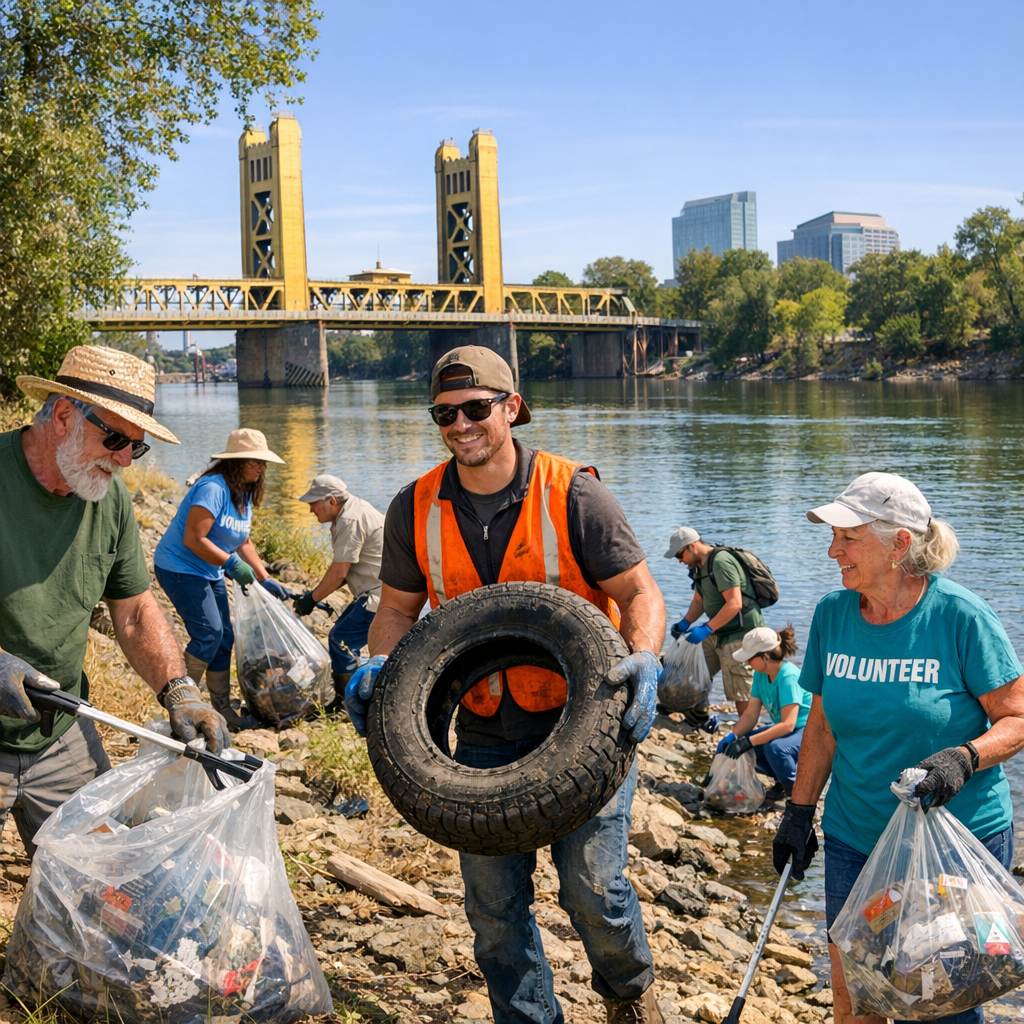
Local organizations are pivotal in supporting the city’s climate objectives. The River City Waterway Alliance (RCWA), an all-volunteer nonprofit, has organized over 1,000 cleanup events since January 2023, removing more than 3.8 million pounds of debris from Sacramento’s waterways. This effort enhances the ecological health of local rivers and creeks.
Similarly, the Environmental Council of Sacramento (ECOS) focuses on regional sustainability and environmental justice. ECOS collaborates with various stakeholders to promote policies and practices that contribute to a healthier environment for all residents.
University Contributions to Sustainability
Academic institutions are also contributing to Sacramento’s environmental efforts. Sacramento State University has secured over $1.8 million in grants for sustainability projects, including the installation of fast-charging electric vehicle stations and the acquisition of electric-powered Hornet Shuttles. These initiatives support the transition to zero-emission transportation options on campus and in the community.
Collaborative Efforts for Cleaner Air
The Cleaner Air Partnership (CAP) exemplifies a collaborative approach to improving air quality. This public-private partnership unites business, transportation, health, local government, and environmental sectors to ensure the region meets clean air standards. CAP’s work is crucial in addressing the health impacts of air pollution, particularly in underserved communities.
Looking Ahead
Achieving Sacramento’s climate goals requires ongoing collaboration between the city, local organizations, academic institutions, and residents. By participating in community cleanups, supporting sustainable transportation, and advocating for environmental policies, individuals can contribute to a more sustainable and resilient Sacramento.